Exploring Luxury Cruise Ships and the Future of Sea Travel
Luxury cruise ships have become an important part of modern sea travel, reflecting how travelers’ expectations are changing.
What was once viewed mainly as a leisure activity for retirees has evolved into a diverse travel option for families, professionals, and experience-focused travelers. Advances in ship design, onboard technology, and sustainability practices have reshaped how cruises operate and how passengers experience life at sea.
At the same time, global travel trends show growing interest in comfort, convenience, and curated experiences. Luxury cruise ships sit at the intersection of these trends, offering structured travel combined with flexibility and access to multiple destinations. Understanding how these ships work, what they offer, and where the industry is heading can help travelers make informed decisions and better appreciate the future of sea travel.
This article explores the benefits and limitations of luxury cruise ships, the different categories available, emerging trends, and practical considerations for those interested in this evolving travel segment.
Benefits of Luxury Cruise Ships
Luxury cruise ships are designed to provide a high level of comfort and organization. While experiences vary by operator and route, several common benefits stand out.
All-in-One Travel Experience
Luxury cruises combine transportation, accommodation, dining, and entertainment into one coordinated experience. This reduces the need for frequent planning between destinations and simplifies logistics, especially for travelers visiting multiple ports.
Enhanced Comfort and Space
Compared to mainstream cruise ships, luxury vessels typically offer larger cabins, fewer passengers, and more public space. This can lead to a calmer onboard environment and more personalized service.
Curated Itineraries
Luxury cruises often focus on unique routes, longer port stays, and less-crowded destinations. These itineraries may include smaller ports that large ships cannot access, offering a different perspective on sea travel.
Service-Oriented Approach
Higher staff-to-guest ratios are common on luxury ships. This can improve responsiveness and create a more consistent onboard experience, especially for travelers who value attention to detail.
Limitations and Considerations
Despite their appeal, luxury cruise ships are not suitable for every traveler or situation.
Higher Cost Structure
Luxury cruises generally involve higher upfront costs compared to standard cruises or land-based travel. While many services are included, the pricing may limit accessibility for some travelers.
Fixed Schedules
Cruise itineraries follow predefined routes and timelines. Travelers seeking complete flexibility may find this structure restrictive compared to independent travel.
Environmental Impact
Although the industry is making progress, cruise ships still face scrutiny regarding emissions, fuel use, and port congestion. Sustainability varies significantly by operator and ship design.
Limited Onshore Time
Even with longer port stays, time on land is still limited compared to extended stays in a single destination. This may affect travelers who prefer deep cultural immersion.
Types and Categories of Luxury Cruise Ships
Luxury cruise ships can be grouped into several broad categories based on size, purpose, and experience style.
Large Luxury Ocean Liners
These ships focus on traditional cruising with refined dining, entertainment, and global itineraries. They often travel popular international routes while maintaining a premium onboard environment.
Small Ship Luxury Cruises
Smaller vessels emphasize access to remote ports and less-visited destinations. They typically carry fewer passengers and offer a more intimate onboard atmosphere.
Expedition Luxury Cruises
These ships combine luxury accommodations with exploration-focused travel, such as polar regions or remote islands. Educational programs and expert guides are often part of the experience.
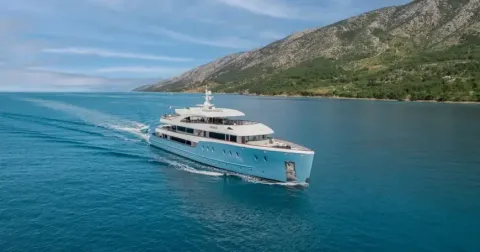
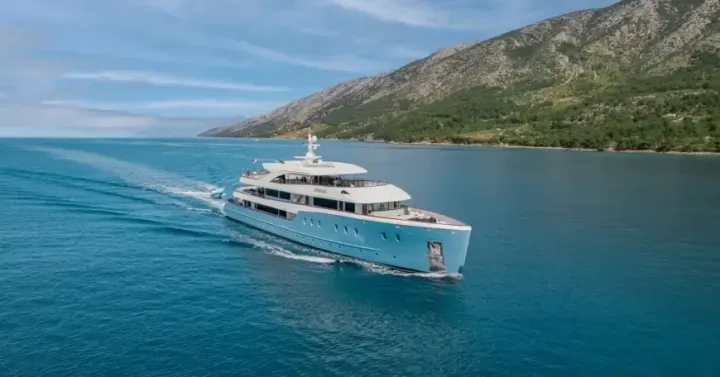
Yacht-Style Cruises
Yacht-style luxury cruises prioritize exclusivity and personalization. These vessels are usually smaller and focus on coastal routes and relaxed onboard experiences.
Latest Trends and Innovations in Luxury Sea Travel
The luxury cruise sector continues to evolve in response to traveler expectations and technological progress.
Sustainability and Alternative Fuels
Many newer ships are incorporating cleaner fuels, advanced waste management systems, and energy-efficient designs. While adoption varies, sustainability is becoming a central industry focus.
Smart Ship Technology
Digital tools are improving navigation, onboard communication, and guest services. Mobile apps, wearable devices, and smart cabins are becoming more common.
Wellness-Oriented Design
Modern luxury ships increasingly emphasize wellness through spa facilities, fitness programs, quiet zones, and health-focused dining options.
Personalized Experiences
Data-driven personalization is influencing dining preferences, excursion planning, and onboard activities. This trend aims to balance structured travel with individual choice.
Key Features to Consider When Exploring Luxury Cruise Ships
When learning about or comparing luxury cruise options, several features are worth examining.
Accommodation Quality
Cabin size, layout, balcony access, and soundproofing can significantly affect comfort during long voyages.
Dining Approach
Luxury ships may offer multiple dining venues, flexible schedules, and regionally inspired menus. Understanding dining formats can help set expectations.
Onboard Amenities
Libraries, lounges, wellness centers, and enrichment spaces contribute to the overall experience, especially on longer journeys.
Passenger Capacity
Lower passenger counts often mean quieter spaces and more personalized service, but may also limit onboard entertainment variety.
Comparison Overview: Luxury vs. Mainstream Cruises
| Feature | Luxury Cruise Ships | Mainstream Cruise Ships |
|---|---|---|
| Passenger Capacity | Lower | Higher |
| Space per Guest | More generous | More compact |
| Itineraries | Curated and niche | Popular and frequent |
| Service Style | Personalized | Standardized |
| Cost Structure | Higher | More budget-friendly |
This comparison highlights structural differences rather than quality judgments. Each option serves different travel preferences.
Notable Companies and Industry Players
Several well-known companies operate within the luxury cruise segment. Publicly available information can be found on their official websites.
-
Silversea Cruises – Known for small-ship luxury and expedition routes
Website: silversea.com -
Seabourn – Focuses on refined onboard experiences and global itineraries
Website: seabourn.com -
Regent Seven Seas Cruises – Emphasizes all-inclusive luxury cruising
Website: rssc.com -
Viking Ocean Cruises – Combines cultural exploration with modern ship design
Website: vikingcruises.com
These examples illustrate different approaches within the same category rather than endorsements.
How to Choose the Right Luxury Cruise Experience
Selecting a luxury cruise involves aligning personal preferences with ship characteristics and itineraries.
Consider Travel Goals
Some travelers prioritize relaxation, while others seek exploration or education. Matching goals with cruise style is essential.
Evaluate Destination Focus
Itinerary depth, port frequency, and seasonal routes can affect the overall experience more than ship size alone.
Review Onboard Culture
Luxury does not always mean formal. Understanding dress codes, activity styles, and onboard atmosphere can help avoid mismatched expectations.
Assess Practical Constraints
Travel duration, departure ports, and accessibility should fit comfortably within personal schedules and mobility needs.
Tips for Making the Most of a Luxury Cruise
Even an educational understanding benefits from practical insights.
-
Review daily schedules to balance activities and rest
-
Plan shore visits based on personal interests rather than volume
-
Use onboard resources such as lectures or destination briefings
-
Allow flexibility instead of trying to experience everything
These tips support a more balanced and enjoyable sea travel experience.
Frequently Asked Questions
Are luxury cruise ships suitable for first-time cruisers?
Yes, many first-time cruisers choose luxury ships due to structured planning and support. However, expectations should align with the cruise’s pace and style.
How long are typical luxury cruise journeys?
Journeys can range from a few days to several weeks. Longer itineraries are more common in luxury and expedition cruising.
Is luxury cruising environmentally responsible?
Environmental practices vary. Some operators invest heavily in sustainability, while others are still transitioning. Researching individual ships is recommended.
Do luxury cruises focus only on older travelers?
No. While traditionally popular among older travelers, modern luxury cruises increasingly attract diverse age groups.
The Future of Luxury Cruise Ships and Sea Travel
Looking ahead, luxury cruise ships are likely to play a significant role in shaping sea travel. Industry developments suggest a stronger focus on sustainability, technology integration, and personalized experiences. Smaller ships, alternative fuels, and destination-sensitive itineraries may become more common as environmental and social considerations gain importance.
For travelers and observers alike, luxury cruising offers insight into how transportation, hospitality, and global tourism intersect. Understanding these trends helps set realistic expectations and encourages informed choices in a changing travel landscape.