Understanding Forklift Applications in Manufacturing and Logistics
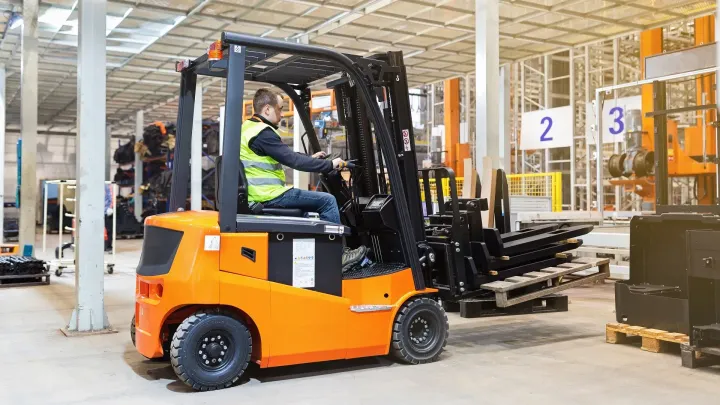
Forklifts play a critical role in manufacturing plants, warehouses, and logistics hubs around the world.
While they may appear to be simple material-handling machines, forklifts are central to how goods move efficiently from one stage of production to another and eventually to customers. From loading raw materials onto production lines to stacking finished products in storage, forklifts help reduce manual labor, improve speed, and support safer workplace practices.
As manufacturing and logistics operations become more complex and time-sensitive, understanding forklift applications is increasingly important for managers, planners, and even workers who interact with these machines daily. This article explores how forklifts are used in manufacturing and logistics, their benefits and limitations, common types, recent trends, key features to consider, and practical guidance on choosing and maintaining the right equipment.
Forklift Applications in Manufacturing
In manufacturing environments, forklifts are used across multiple stages of production. Their main purpose is to move materials efficiently while minimizing downtime and physical strain on workers.
Common Manufacturing Use Cases
-
Transporting raw materials from storage to production areas
-
Moving work-in-progress items between production stages
-
Handling heavy components that cannot be moved manually
-
Loading finished goods onto pallets for storage or shipping
-
Supporting maintenance activities by moving tools or equipment
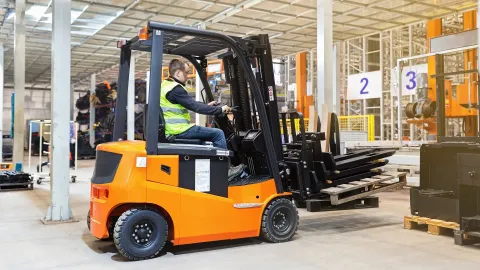
Manufacturing forklifts often operate indoors, where space constraints, floor conditions, and emissions requirements influence equipment selection.
Forklift Applications in Logistics and Warehousing
In logistics and warehouse settings, forklifts are essential for inventory movement and space optimization. These environments typically focus on speed, accuracy, and storage density.
Common Logistics Use Cases
-
Loading and unloading trucks and containers
-
Stacking pallets in high racking systems
-
Moving goods between receiving, storage, and dispatch areas
-
Supporting cross-docking operations
-
Handling irregular or oversized loads
Because logistics operations often run continuously, forklifts in these environments must balance durability with operator comfort and efficiency.
Benefits of Using Forklifts in Manufacturing and Logistics
Forklifts offer several practical advantages that directly impact productivity and safety.
Key Benefits
-
Improved Efficiency
Forklifts significantly reduce the time needed to move materials compared to manual handling. -
Reduced Physical Strain
Heavy lifting is managed by machines, lowering the risk of worker fatigue and injury. -
Better Space Utilization
Forklifts enable vertical stacking, helping facilities make better use of available space. -
Operational Consistency
Standardized material handling leads to predictable workflows and fewer delays. -
Enhanced Workplace Safety
When used correctly, forklifts reduce the need for unsafe manual lifting practices.
Limitations and Challenges to Consider
Despite their usefulness, forklifts also come with limitations that organizations must address.
Common Limitations
-
Initial Cost: Purchasing or leasing forklifts requires upfront investment
-
Maintenance Needs: Regular servicing is essential to avoid breakdowns
-
Operator Training: Improper use can lead to accidents or damage
-
Space Constraints: Larger forklifts may struggle in narrow aisles
-
Environmental Factors: Some forklifts are not suitable for indoor use due to emissions
Understanding these challenges helps organizations plan realistic and safe forklift operations.
Types of Forklifts Used in Manufacturing and Logistics
Different environments require different forklift designs. Below is an overview of commonly used types.
Common Forklift Categories
| Forklift Type | Typical Application | Key Characteristics |
|---|---|---|
| Counterbalance Forklift | General warehouse and factory use | Simple design, versatile |
| Reach Truck | High-rack warehouses | Extended reach, narrow aisles |
| Pallet Jack | Short-distance movement | Compact, low lift height |
| Rough Terrain Forklift | Outdoor yards | Large tires, uneven surfaces |
| Side Loader | Long or bulky materials | Sideways load handling |
| Electric Forklift | Indoor operations | Low noise, no emissions |
Each type serves a specific purpose, and choosing the right one depends on the working environment and load requirements.
Latest Trends and Innovations in Forklift Technology
Forklift technology has evolved significantly in recent years, driven by safety regulations, sustainability goals, and automation trends.
Notable Innovations
-
Electric and Lithium-Ion Forklifts
Increased adoption due to lower emissions, reduced noise, and faster charging. -
Automation and Semi-Autonomous Forklifts
Used in large warehouses to perform repetitive tasks with minimal human intervention. -
Telematics and Fleet Monitoring
Sensors and software track usage, maintenance needs, and operator behavior. -
Improved Ergonomics
Enhanced seating, controls, and visibility to reduce operator fatigue. -
Advanced Safety Features
Collision detection, speed control, and pedestrian alerts are becoming more common.
These developments aim to improve efficiency while supporting safer and more sustainable operations.
Key Features to Consider When Evaluating Forklifts
Selecting the right forklift requires evaluating several practical features.
Important Features Checklist
-
Load capacity appropriate for typical materials
-
Lift height compatible with storage systems
-
Power source suitable for indoor or outdoor use
-
Turning radius that fits aisle widths
-
Operator comfort and visibility
-
Availability of service and spare parts
-
Safety features aligned with workplace standards
Matching features to real operational needs helps avoid underperformance or unnecessary costs.
Overview of Common Forklift Manufacturers and Solutions
Several global companies manufacture forklifts for manufacturing and logistics use. The following examples are widely recognized and provide publicly available product information.
Well-Known Forklift Providers
| Company | Primary Focus | Public Website |
|---|---|---|
| Toyota Material Handling | Electric and internal combustion forklifts | toyotaforklift.com |
| KION Group (Linde, STILL) | Industrial trucks and automation | kiongroup.com |
| Jungheinrich | Warehouse-focused solutions | jungheinrich.com |
| Crown Equipment | Ergonomic warehouse forklifts | crown.com |
| Hyster-Yale | Heavy-duty material handling | hyster.com |
This list is informational and not an endorsement. Availability and suitability vary by region and application.
How to Choose the Right Forklift for Your Operation
Choosing the right forklift involves balancing operational needs, safety, and long-term costs.
Step-by-Step Selection Approach
-
Assess typical load weight and dimensions
-
Identify indoor or outdoor usage requirements
-
Measure aisle widths and lift height needs
-
Evaluate power source options and energy costs
-
Consider operator experience and training needs
-
Review maintenance support and downtime risks
A structured evaluation reduces the risk of selecting equipment that does not fit operational realities.
Tips for Effective Forklift Use and Maintenance
Proper use and maintenance help extend forklift lifespan and improve safety.
Best Practices
-
Schedule regular inspections and servicing
-
Train operators on safe handling and site-specific rules
-
Keep aisles and work areas clearly marked
-
Monitor battery or fuel usage to prevent disruptions
-
Replace worn parts before failures occur
Consistent maintenance supports smoother operations and reduces unexpected downtime.
Frequently Asked Questions
Are forklifts only used in large facilities?
No. Forklifts are used in facilities of all sizes, from small workshops to large distribution centers, depending on load-handling needs.
What is the difference between electric and fuel-powered forklifts?
Electric forklifts are quieter and emission-free, making them suitable for indoor use. Fuel-powered forklifts are often used outdoors and for heavier loads.
How often should forklifts be serviced?
Service frequency depends on usage intensity, but regular inspections and scheduled maintenance are essential for safety and performance.
Can one forklift handle all tasks?
In most cases, no. Different tasks often require different forklift types or attachments.
Is operator training mandatory?
In many regions, training is required or strongly recommended to reduce accident risk and ensure compliance with safety standards.
Conclusion: A Practical View of Forklift Use in Industry
Forklifts are more than just machines that lift and move loads. In manufacturing and logistics, they form the backbone of efficient material handling and workflow management. Understanding their applications, limitations, and evolving technologies helps organizations make informed decisions that support productivity and safety.
By carefully assessing operational needs, staying informed about new trends, and maintaining equipment responsibly, businesses can integrate forklifts into their processes in a way that supports long-term efficiency and reliability. A thoughtful approach ensures forklifts remain practical tools rather than overlooked risks in modern industrial environments.