Understanding Online Branding: An Informational Guide
Online branding refers to how a business, individual, or organization presents itself across digital platforms.
This includes websites, social media, search results, content, and even customer interactions online. In today’s connected world, many people form their first impression of a brand through digital channels rather than physical locations or direct conversations.
Whether someone is researching a company, comparing options, or simply trying to understand what a brand stands for, online branding plays a central role. This guide is designed to explain online branding in a clear and practical way. It focuses on what online branding is, why it matters, how it works, and what to consider when building or evaluating a digital brand presence.
The goal is to provide balanced, educational information without promoting specific services or promising outcomes that cannot be guaranteed.
What Is Online Branding?
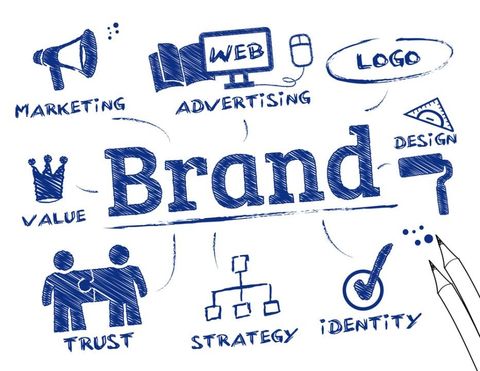
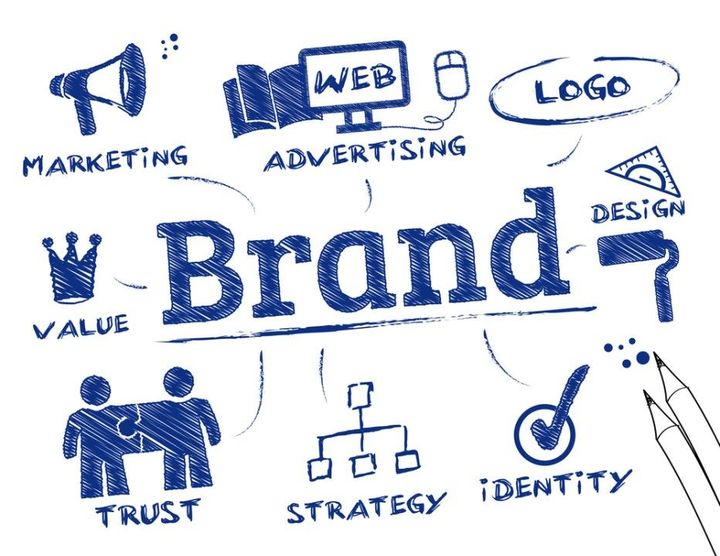
Online branding is the process of shaping how a brand is perceived in digital spaces. It combines visual elements, messaging, tone, values, and user experience to create a consistent and recognizable identity online.
Online branding is not limited to logos or colors. It includes how information is presented, how users interact with digital content, and how consistently a brand communicates across platforms.
Key components of online branding often include:
-
Website design and structure
-
Brand voice and messaging
-
Visual identity such as colors, typography, and imagery
-
Content style and topics
-
Presence on social and professional platforms
-
User experience and accessibility
Together, these elements influence how people understand and remember a brand online.
Benefits of Online Branding
A well-structured online brand can offer several practical benefits when managed thoughtfully.
Improved Recognition
Consistent visuals and messaging help users recognize a brand across different platforms. Familiarity can make it easier for users to recall a brand when searching for information later.
Clear Communication
Online branding helps clarify what a brand represents, what topics it focuses on, and who it is intended for. This can reduce confusion and align expectations.
Trust and Credibility Signals
A professional and consistent digital presence can signal reliability. Clear information, transparent messaging, and accessible design often contribute to user trust.
Better User Experience
When branding elements are aligned, users may find it easier to navigate content, understand messaging, and engage with digital platforms.
Long-Term Value
Over time, consistent online branding can support sustained engagement and recognition, especially when content remains relevant and updated.
Limitations and Challenges of Online Branding
While online branding offers many advantages, it also comes with limitations and challenges that are important to understand.
High Competition
Many brands compete for attention online. Standing out can be difficult, especially in crowded industries or topics.
Ongoing Maintenance
Online branding is not a one-time task. Websites, content, and platforms require regular updates to remain accurate and useful.
Platform Dependence
Changes in algorithms, policies, or platform features can affect visibility and engagement, even when branding efforts are consistent.
Measurement Complexity
Brand perception is not always easy to measure. Metrics such as traffic or engagement do not always reflect how users truly feel about a brand.
Understanding these limitations can help set realistic expectations and encourage thoughtful planning.
Types and Categories of Online Branding
Online branding can take different forms depending on goals, audiences, and platforms.
Personal Branding
Focused on individuals rather than organizations, personal branding highlights expertise, values, and professional identity. Common examples include consultants, creators, and professionals.
Corporate or Business Branding
This type centers on companies or organizations and often emphasizes mission, products, services, and customer experience.
Product-Focused Branding
Some brands focus primarily on individual products, highlighting features, use cases, and user benefits within a broader brand framework.
Content-Driven Branding
Here, branding is built largely through educational or informational content such as blogs, videos, or guides, with a focus on value and consistency.
Community-Oriented Branding
This approach emphasizes interaction, participation, and shared values, often supported through forums, social platforms, or user-generated content.
Each category may use similar tools but apply them differently based on context.
Latest Trends and Innovations in Online Branding
Online branding continues to evolve as technology and user behavior change.
Increased Focus on Authenticity
Many brands are prioritizing clear, honest communication over overly polished or complex messaging. Transparency and clarity are becoming more valued.
Personalization Through Data
Brands are using data responsibly to tailor content and experiences based on user preferences, while also addressing privacy considerations.
Multi-Platform Consistency
Rather than focusing on a single channel, branding efforts are increasingly designed to work smoothly across websites, social platforms, email, and search results.
Accessibility and Inclusive Design
More brands are considering accessibility standards to ensure content is usable by people with different abilities and devices.
Visual Simplicity
Clean layouts, readable typography, and simplified visuals are becoming more common to improve usability and comprehension.
Key Features to Consider in Online Branding
When evaluating or building an online brand, several features are worth careful consideration.
Consistent Visual Identity
-
Colors and fonts used consistently
-
Clear logo usage guidelines
-
Visual alignment across platforms
Clear Brand Messaging
-
Simple and understandable language
-
Consistent tone and style
-
Alignment between values and content
User-Centered Design
-
Easy navigation
-
Mobile-friendly layouts
-
Fast loading times
Content Quality
-
Accurate and up-to-date information
-
Useful and relevant topics
-
Clear structure and readability
Transparency
-
Clear information about purpose and ownership
-
Easy access to contact or background details
Comparison Table: Core Elements of Online Branding
| Element | Purpose | Common Platforms |
|---|---|---|
| Visual Identity | Recognition and consistency | Websites, social media |
| Brand Messaging | Clarity and positioning | Content, landing pages |
| User Experience | Ease of use and engagement | Websites, apps |
| Content Strategy | Information and value delivery | Blogs, videos, resources |
| Platform Presence | Reach and accessibility | Search, social platforms |
Top Platforms and Tools Supporting Online Branding
Many publicly available platforms and tools support online branding efforts. These tools are widely known and used for informational purposes.
Website Platforms
-
WordPress.org
-
Wix.com
-
Squarespace.com
These platforms allow users to structure and present branded content online.
Design and Visual Tools
-
Canva.com
-
Adobe.com (Creative Cloud tools)
Used for creating consistent visuals and layouts.
Content and Collaboration Tools
-
Google Workspace (docs, sites)
-
Notion.so
Support content planning and collaboration.
Analytics and Insights
-
Google Analytics
-
Google Search Console
Help users understand how audiences interact with branded content.
Links provided are for general reference and public information.
How to Choose the Right Online Branding Approach
Choosing an online branding approach depends on goals, resources, and audience needs.
Define the Purpose
Clarify whether the goal is education, visibility, thought leadership, or information sharing.
Understand the Audience
Consider who the content is for, what they are searching for, and how they prefer to consume information.
Start With Core Platforms
Focus on one or two primary platforms rather than trying to manage many at once.
Align Branding With Capacity
Choose strategies that can be maintained consistently with available time and resources.
Review and Adjust Over Time
Online branding benefits from regular review and small improvements rather than large, infrequent changes.
Checklist: Online Branding Basics
-
Clear brand purpose and topic focus
-
Consistent visual and messaging style
-
Easy-to-navigate website or platform
-
Updated and accurate content
-
Accessible and readable design
-
Transparent information about the brand
Tips for Maintaining an Effective Online Brand
-
Review content periodically for accuracy
-
Keep design simple and readable
-
Use consistent terminology and tone
-
Monitor feedback and questions from users
-
Adapt to platform changes thoughtfully
Maintenance is often more effective when done gradually and regularly.
Frequently Asked Questions
Is online branding only important for businesses?
No. Individuals, educators, and organizations also benefit from clear online branding, especially when sharing information or expertise.
How long does it take to see results from online branding?
Online branding is a long-term effort. Recognition and clarity often build gradually rather than immediately.
Can online branding work without social media?
Yes. Websites, search presence, and content platforms can support branding even without active social media use.
Is online branding expensive?
Costs vary widely. Many tools and platforms offer free or low-cost options, though time and consistency are still required.
How often should online branding be updated?
Small updates can be ongoing, while larger reviews may happen annually or when goals change.
Conclusion: A Practical View of Online Branding
Online branding is about clarity, consistency, and usefulness in digital spaces. Rather than focusing on promotion or promises, effective online branding helps users understand who a brand is, what it offers, and why it exists.
By paying attention to structure, messaging, and user experience, individuals and organizations can create a digital presence that is informative and reliable. Online branding works best when treated as an ongoing process of learning, adjustment, and thoughtful communication.